Smoke Damage in Steamboat Springs Homes: Why Soot and Odors Require Professional Cleanup
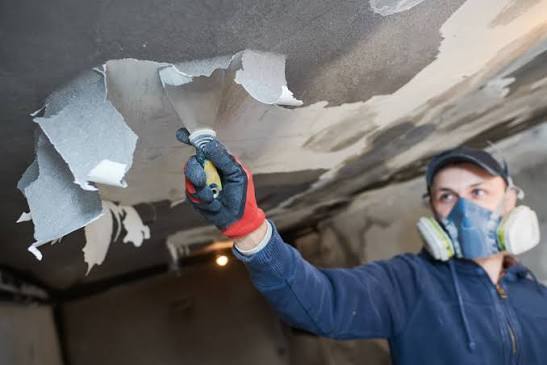
Smoke can travel well beyond the area where a fire started. Fine soot particles may settle on walls, ceilings, flooring, furniture, and other surfaces, while smoke odors can remain in fabrics and porous building materials after the visible smoke has cleared.
For homeowners in Steamboat Springs, smoke damage may follow a house fire, kitchen incident, chimney or wood-burning appliance problem, or smoke entering a property from an outside source. The extent of the cleanup depends on where the smoke traveled, the materials it reached, and the type of residue left behind.
If your home has visible soot, discoloration, or a persistent smoky smell after a fire or smoke event, understanding how smoke residue affects different materials can help you decide when professional restoration may be appropriate.
Why Smoke Damage Can Be Difficult to Clean
Soot consists of fine particles that can settle across many surfaces. Depending on the source of the fire and the materials involved, the residue may be dry and powdery, greasy, sticky, or difficult to see.
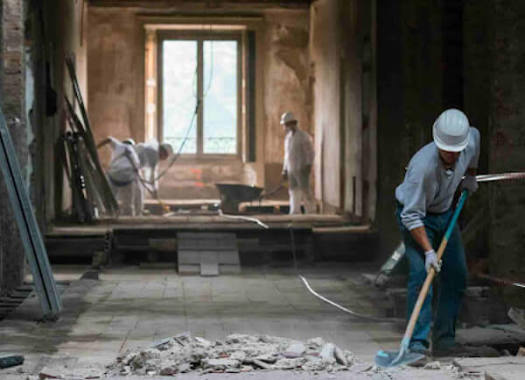
Smoke can also reach areas that are easy to overlook, including cracks, vents, fabrics, insulation, and other porous or unfinished materials. These areas may require a different cleaning approach from finished surfaces, particularly when soot or odor has traveled beyond the visibly affected room.
Attempting to clean these areas without first understanding the type of residue can spread soot or affect the underlying surface.
The appropriate cleaning method depends on the material affected, the characteristics of the residue, and the extent of the contamination. That is one reason a professional assessment can be useful after a significant smoke event.
Why the Type of Smoke Residue Matters
Smoke residue can vary according to the fire source, combustion conditions, and materials involved. A residue may be dry and powdery, sticky, greasy, or difficult to see, and the cleaning method should be selected based on the residue and the surface involved.
- Wet smoke: This residue can be thick or sticky and may be difficult to remove from some surfaces.
- Dry smoke: This type of residue is generally finer and may appear powdery.
- Protein residue: Kitchen fires involving food can leave residue and odors that may be difficult to identify by appearance alone.
- Fuel-related residue: Smoke associated with heating equipment or other fuel sources can leave residue with characteristics that depend on the fuel and materials involved.
These categories are useful for understanding why there is no single cleaning method that works for every smoke-damaged surface.
Why Smoke Odors Can Linger
Smoke odor is not always confined to the surface where it is first noticed. Smoke-related residues and odors can become absorbed into porous or unfinished materials, including carpeting, upholstery, wood, and some wall or insulation materials.
Simply covering the smell with an air freshener may provide temporary masking without addressing the source. Restoration may instead involve cleaning affected surfaces, removing materials that cannot be effectively restored, and using appropriate deodorization methods.
Depending on the circumstances, cleanup may include:
- Assessment and source removal: Identifying heavily affected materials and determining whether they can be cleaned or need to be removed.
- Soot cleaning: Using methods suited to the surface and residue, which may include specialized dry-cleaning techniques or HEPA-filtered equipment where appropriate.
- Odor treatment: Addressing remaining smoke odors with a method appropriate for the affected materials and extent of the problem.
- Surface sealing: In some cases, cleaned surfaces may require an odor-blocking coating to help prevent residual odors from returning through finished surfaces.
The specific process will depend on the property and the type of smoke damage present.
When Smoke Affects the HVAC System
Smoke can enter heating and ventilation components, depending on the location and circumstances of the event. If the HVAC system has been exposed to smoke or soot, it may contribute to the movement of smoke-related particles or odors through the property when operated.
If you suspect the system has been affected, it should be evaluated before normal operation continues. HVAC-related concerns may require attention beyond cleaning visible surfaces elsewhere in the home.
Smoke From Outside the Home
Smoke does not always originate from an interior fire. Outdoor smoke can enter a home through windows, doors, ventilation systems, and other openings.
After an outside smoke event, particles and odors may settle on carpeting, upholstery, walls, and other interior surfaces. The appropriate response depends on the level and duration of exposure and the materials affected.
If a smoky odor or visible residue remains after the outside source has passed, an assessment can help determine whether cleaning or additional treatment is appropriate.
For property owners in Steamboat Springs and the surrounding Northwest Colorado service area, the source of the smoke matters when determining the appropriate cleanup approach. An interior fire, a heating-equipment incident, or smoke entering from outside can leave different types and levels of residue, so the response should be based on the conditions at the individual property rather than a one-size-fits-all cleaning method.
What to Do After You Notice Smoke Damage
If you discover soot, discoloration, or a persistent smoky smell, a few precautions can help while you determine the next step:
- Avoid aggressively wiping dry soot, particularly when you are unsure how the surface or residue will respond to moisture or pressure.
- If you suspect smoke entered the HVAC system, have the system evaluated before continued operation.
- Ventilate the property when outdoor air quality and conditions make it appropriate to do so.
- Photograph affected areas before significant cleanup for insurance documentation.
- Avoid applying household cleaners until you understand the type of residue and the surface involved.
If the event involved a fire, safety should come first. Cleanup should not begin until the property has been determined to be safe to enter.
When Should You Call a Professional?
Professional smoke damage cleanup may be appropriate when soot has spread beyond a small, contained area, odors persist after initial cleaning, smoke has reached porous or difficult-to-clean materials, or the HVAC system may have been exposed. These conditions can make the scope of cleanup less straightforward than removing visible residue from a single surface.
A restoration professional can assess affected areas, identify the types of materials and residue involved, determine which items may be salvageable, and recommend cleaning or deodorization methods suited to the situation.
For property owners in Steamboat Springs and surrounding communities, ServiceMaster of Steamboat Springs provides fire and smoke damage cleanup within its stated service area of Routt, Moffat, and Grand Counties.
Noticing soot, staining, or a persistent smoky smell in your Steamboat Springs home? Contact ServiceMaster of Steamboat Springs to discuss the situation and determine the appropriate next steps.
Frequently Asked Questions
1. How long can a smoke odor last in a house after a fire?
Smoke odor can persist when odor-causing residues have absorbed into porous materials such as carpeting, upholstery, or wood. How long it lasts depends on the extent of exposure, materials affected, and how thoroughly the property is cleaned.
2. Can smoke damage affect indoor air quality?
Smoke can leave fine particles and residues throughout an affected property. If smoke has entered the HVAC system or remains in the indoor environment, an assessment can help determine whether additional cleaning is needed.
3. Does homeowners insurance cover smoke damage restoration?
Coverage depends on the cause of the damage and the terms of your homeowners insurance policy. Smoke and soot damage from a covered fire may be included, but coverage varies by policy.
4. Can I clean smoke damage myself?
Some minor surface residue may be manageable depending on the material and type of residue, but using an inappropriate cleaning method can spread soot or damage the affected surface.