WHAT IS WATER MITIGATION?
Water damage mitigation focuses on controlling the source of water, removing excess water, identifying affected areas, and supporting the drying process. Water intrusion can result from issues such as plumbing leaks, roof leaks, or flooding, and moisture may affect materials beyond the area where the problem first appears.
ServiceMaster of Steamboat Springs provides water damage mitigation and restoration services based on the type and extent of the damage. Services may include assessment, water extraction, drying, moisture monitoring, and additional restoration work when appropriate.
Why Prompt Water Mitigation Matters
Water can move into flooring, drywall, insulation, wood, and other building materials, including areas that are not immediately visible. Addressing affected areas promptly can help identify moisture and determine what mitigation steps may be appropriate.
The U.S. Environmental Protection Agency recommends drying wet areas within 24–48 hours, when possible, to help prevent mold growth.
What Should You Do After Water Damage?
- Stop the water source if it is safe to do so.
- If it is safe to do so, move loose items and belongings away from affected areas when possible.
- If it is safe to do so and the water is not suspected to be contaminated, move wet rugs and other removable items away from the affected area.
- Avoid using electrical equipment in areas affected by standing water.
- Contact a water damage professional to assess the affected areas and determine the appropriate mitigation steps.
Professional Water Damage Mitigation
Water may remain hidden beneath flooring, inside walls, or in other areas that are not immediately visible. Depending on the property and extent of the damage, technicians may use moisture meters and thermal imaging to help identify affected areas.
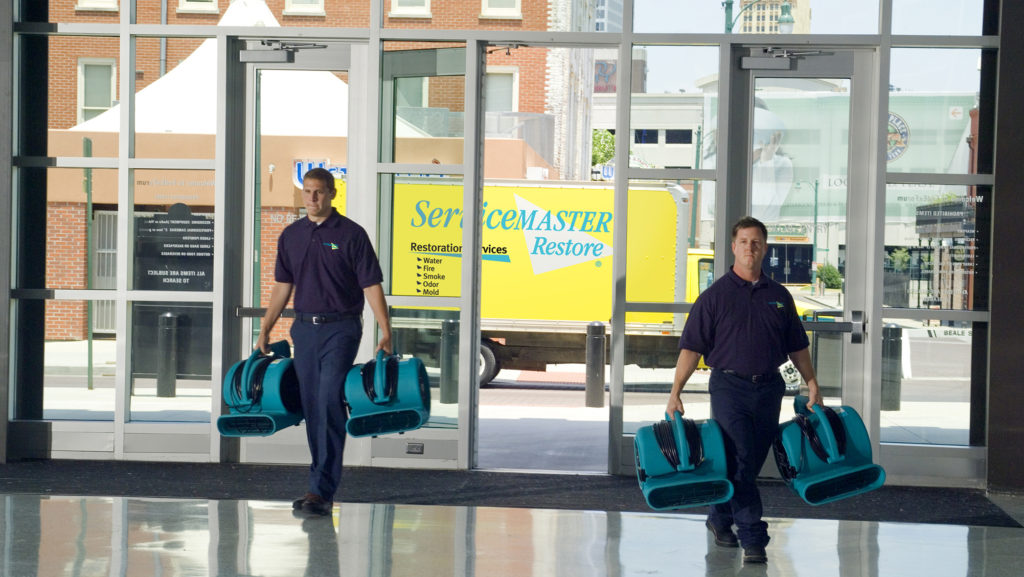
The mitigation process may include water extraction, air movers, dehumidification, and moisture monitoring to support drying and address excess moisture.
Our Water Damage Mitigation Process
- Inspect & Assess – Identify affected areas and determine the appropriate mitigation steps.
- Extract Water – Remove standing water using appropriate extraction methods.
- Dry Affected Areas – Use air movers to support drying.
- Control Moisture – Use dehumidification equipment to help reduce excess moisture.
- Monitor Progress – Check moisture levels throughout the drying process and determine whether additional drying is needed.
Need help with water damage? Contact ServiceMaster of Steamboat Springs for professional mitigation services in Steamboat Springs and throughout Routt, Moffat, and Grand Counties.
Need Water Damage Mitigation?
If your property has experienced water damage, contact ServiceMaster of Steamboat Springs to discuss the situation and determine the appropriate next steps.
WHAT IS WATER MITIGATION?
How quickly should water damage be addressed?
Prompt action can help limit additional damage and reduce the time materials remain wet. A professional assessment can help identify affected areas and determine the appropriate mitigation steps.
What does water damage mitigation include?
Water mitigation may include assessing affected areas, removing standing water, drying materials, controlling excess moisture, and monitoring moisture levels throughout the process.
Can water damage exist where I cannot see it?
Yes. Water can move beneath flooring, inside walls, and into other concealed areas. Moisture meters and other detection equipment can help identify areas that may require further assessment.
How long does water damage take to dry?
Drying time varies based on the amount of water, materials affected, temperature, humidity, and airflow. Some properties may require several days or longer to dry properly.
When should I call a professional for water damage?
Consider professional help when water damage affects multiple areas, standing water is present, moisture has entered walls or flooring, or the extent of the damage is unclear. Qualified professionals can assess the property and determine appropriate cleanup and drying steps.