Commercial Water Mitigation Protocols: Protecting Local Businesses from Operational Downtime
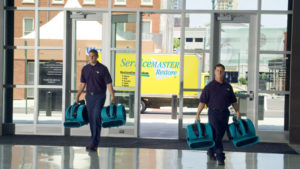
A burst pipe at 6 a.m. does not wait for business hours. Neither does a failed water heater, plumbing problem, or roof leak after a storm. For businesses in Steamboat Springs and surrounding communities, unexpected water intrusion can affect more than the building. Flooring, inventory, equipment, records, customer areas, and daily operations may all require attention.
Commercial water mitigation focuses on controlling the source, identifying affected areas, removing standing water, drying materials, and determining what additional restoration may be needed. A coordinated response can help businesses address the immediate loss while making practical decisions about access and ongoing operations.
Why Commercial Water Mitigation Requires a Coordinated Response
A water incident can create different challenges depending on the type of property, where the water entered, and which areas or assets were affected. A retail space, restaurant, office, lodging property, or warehouse may have different priorities during cleanup.
A practical commercial response can be organized around three priorities:
- People: Keep employees, customers, and other occupants away from areas that may present electrical, structural, or contamination concerns.
- Property: Identify the water source, document visible damage, remove standing water, and address moisture in affected materials.
- Operations: Determine which unaffected areas can remain in use and which activities may need to be relocated or temporarily restricted.
This approach recognizes that commercial mitigation is not only about the building. It also involves making informed decisions about access, inventory, equipment, records, and other business assets while the property is being assessed and stabilized.
Common Causes of Commercial Water Damage in Steamboat Springs
Local businesses can experience water damage from plumbing, building, and weather-related problems. Potential sources include:
- Frozen or burst pipes during cold weather
- Roof leaks following winter weather or heavy precipitation
- Snowmelt or runoff entering lower areas of a property
- Failed water heaters, plumbing fixtures, or appliances
- Sprinkler system malfunctions
- Drain or sewage backups
The source and condition of the water matter when determining the appropriate response. For example, water from a plumbing failure may require a different approach from water associated with a sewage backup. In the Steamboat Springs area, businesses should also consider seasonal risks such as frozen plumbing and water intrusion associated with winter weather or snowmelt when reviewing their property-maintenance plans.
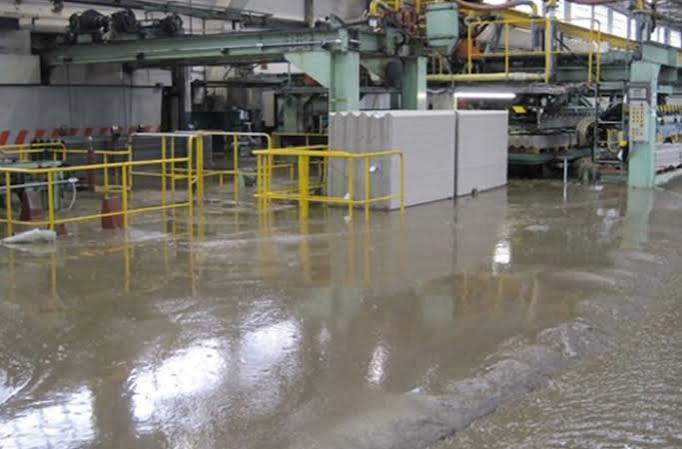
For businesses preparing for periods of increased winter activity in Steamboat Springs, addressing known plumbing, roof, drainage, and water-heater concerns in advance can be part of a practical water-damage prevention plan.
A Practical Commercial Water Mitigation Protocol
1. Protect People and Address the Source
The priority is safety. If it can be done safely, the water source should be stopped or isolated to limit additional intrusion. Employees should not enter areas where electrical hazards, contaminated water, structural concerns, or other unsafe conditions may exist.
Businesses should also identify who is responsible for contacting property management, building maintenance, insurance representatives, and restoration professionals when an incident occurs.
2. Document the Initial Conditions
Before cleanup changes the affected areas, businesses should document visible damage when it is safe to do so. Photos and notes can help create a record of the incident.
Useful documentation may include:
- The apparent source of the water
- Areas affected by standing water
- Damaged flooring, walls, ceilings, or fixtures
- Affected inventory or equipment
- The approximate time the problem was discovered
Insurance coverage depends on the policy and circumstances of the loss, so businesses should follow their insurer’s instructions regarding documentation and claims.
3. Assess the Extent of the Damage
A professional assessment can help identify visible and less-obvious moisture. Moisture meters and other assessment tools may be used to evaluate affected materials and determine where drying efforts are needed.
The assessment may include areas surrounding the original water source, including flooring, subfloors, walls, ceilings, storage spaces, and other building components. For commercial properties, the review may also need to account for affected inventory, equipment, records, or customer-facing areas.
4. Extract Standing Water
Commercial standing water extraction is an important step when water has accumulated inside the property. Pumps and professional extraction equipment may be selected based on the amount of water and conditions at the site.
Removing standing water can help limit the amount of moisture available to be absorbed by flooring, drywall, insulation, and other materials. The appropriate approach depends on the extent and source of the loss.
5. Dry and Monitor Affected Materials
After extraction, air movement and dehumidification equipment may be used to support structural drying. Drying conditions can vary based on the materials involved, the amount of water, environmental conditions, and how long the materials have been exposed.
Moisture measurements can help track progress and determine whether affected areas have reached appropriate drying conditions.
6. Address Cleaning and Further Restoration
Some water losses may require cleaning or disinfection, depending on the source and condition of the water. Areas affected by contaminated water may require additional precautions and professional handling.
Once the property has been stabilized and dried, further restoration may involve repairing or replacing affected materials. The scope depends on the condition of the property and the extent of the loss.
Reducing Operational Disruption During Cleanup
Commercial water mitigation is not only about the building. Businesses also need to consider how the incident affects employees, customers, inventory, and normal operations.
Where conditions allow, unaffected areas may remain in use while mitigation takes place elsewhere. However, access to areas with standing water, electrical concerns, contamination, or ongoing drying requirements may need to be restricted until they are considered appropriate for use.
The goal is not necessarily to keep every part of the property operating during mitigation. Instead, businesses can work with property managers, insurers, employees, and restoration professionals to determine which areas can remain accessible and which activities may need temporary adjustments.
A practical response plan can identify:
- Who has the authority to shut off water
- Who contacts the appropriate emergency and property contacts
- Where important shutoff valves are located
- How employees should report a water incident
- Which equipment, inventory, or records require special attention
- What information should be documented for the property owner or insurer
Preparing these details before an incident can make the initial response more organized.
Preparing Steamboat Springs Businesses for Water Emergencies
Cold-weather conditions make preventive maintenance particularly relevant for businesses in the Steamboat Springs area.
Businesses can also review exposed plumbing, roof conditions, drainage, water heaters, and other known maintenance concerns as part of routine property planning.
Having current emergency contacts and a basic response plan can also help employees know what to do when an unexpected water problem occurs.
For businesses that need professional assistance, ServiceMaster of Steamboat Springs provides water damage restoration services in Steamboat Springs and throughout Routt, Moffat, and Grand Counties.
The Bottom Line
Commercial water damage requires decisions about both property and business operations. Identifying the source, protecting people, documenting the loss, extracting standing water, drying affected materials, and addressing additional restoration needs can provide a structured approach to the incident.
For businesses in Steamboat Springs, Routt County, Moffat County, and Grand County, having a response plan in place can help employees and property stakeholders know what to do when an unexpected loss occurs.
When professional mitigation is needed, ServiceMaster of Steamboat Springs can help businesses address water damage and move toward the next stage of recovery.
Frequently Asked Questions
Can a business stay open during water mitigation?
In some cases, yes. Unaffected areas may remain open depending on the extent of the damage, safety conditions, and access requirements.
Will insurance cover commercial water damage cleanup?
Coverage depends on the cause of the damage and the terms of the policy. Businesses should review their coverage and discuss the loss with their insurance provider.
What should a business document after water damage?
Document the water source, affected areas, visible damage, and any impacted inventory or equipment. Photos and written notes can help create a record of the initial conditions.
What should businesses check before winter in Steamboat Springs?
Businesses can review exposed plumbing, roof conditions, drainage, and water heaters. They should also make sure employees know how to report a water emergency and who to contact.