The Fire Damage Repair Process: How We Restore Steamboat Springs Homes Step-by-Step
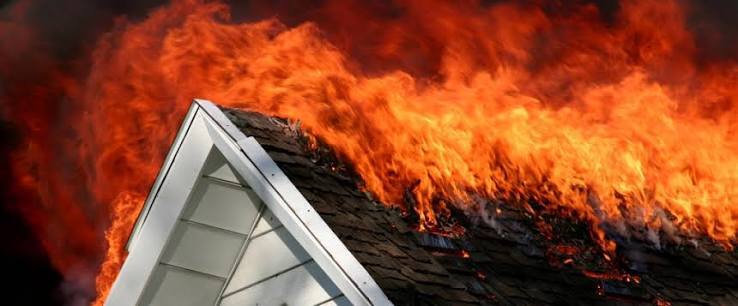
A house fire can leave behind more than visible burns or damaged materials. Smoke and soot can affect surfaces and belongings, while water used during firefighting may create additional moisture-related damage. Before repairs can begin, the property needs to be evaluated to identify the different types and extent of damage. The order of work can vary depending on the condition of the home, so the restoration process is not necessarily the same for every fire.
For homeowners in Steamboat Springs and nearby communities, understanding the fire damage repair process can make the next steps easier to navigate. While every loss is different, restoration generally involves assessment, securing the property, cleanup, drying, deodorization, and repairs based on the condition of the home.
Why Fire Damage Repair Requires More Than Surface Cleaning
Fire damage can affect a property in several ways at the same time. The fire itself may damage walls, ceilings, flooring, framing, and other building materials. Smoke and soot can spread beyond the area where the flames were concentrated, while firefighting water can affect materials elsewhere in the home.
For properties in Steamboat Springs and the surrounding Routt, Moffat, and Grand County service area, the work required depends on the type and extent of damage.
The first goal is to determine what can be cleaned and restored, what needs repair, and what may require replacement.
Step 1: Initial Call and Emergency Assessment
The process begins with information about what happened and what the property needs immediately. During the initial call, details such as the location of the fire, affected areas, access to the property, and known safety concerns can help determine the appropriate next step. Homeowners should not re-enter a fire-damaged property until the appropriate authorities have determined that it is safe to do so.
Once access is permitted, the restoration team can begin evaluating the condition of the home. ServiceMaster of Steamboat Springs provides 24/7 emergency contact for fire and other property damage situations, allowing homeowners to begin discussing the situation outside standard business hours and arrange for professional Fire Cleaning Services in Steamboat Springs.
Step 2: Inspect and Document the Damage
Once the property is accessible, the restoration team examines the affected areas and documents the condition of the home.
The assessment may look at:
- Walls, ceilings, floors, and other building materials
- Smoke, soot, and heat-affected areas
- Water introduced during firefighting
- Furniture, fixtures, and personal belongings
- Visible moisture or areas requiring drying
- Materials that may need cleaning, repair, or replacement
This information helps establish the scope of the restoration work and provides a basis for planning the next stages.
Step 3: Secure Areas Exposed by the Fire
A fire can leave parts of a home exposed or unsafe. Damaged windows, doors, roof sections, or other openings may need to be secured while the property is being evaluated and restored.
Depending on the condition of the structure, securing damaged or exposed areas may be part of the restoration plan. Access to unsafe sections may also need to be restricted while the property is being evaluated and restored.
The specific measures depend on the damage and should be determined after the property has been assessed.
Step 4: Address Water, Smoke, and Soot Damage
Firefighting can introduce water into areas that were not directly damaged by flames. If standing water or excess moisture is present, it may need to be removed and affected materials dried.
At the same time, smoke and soot cleanup can begin.
Smoke residue may settle on:
- Walls and ceilings
- Furniture and fixtures
- Flooring
- Fabrics and upholstery
- Other household contents
Soot removal is not always as simple as wiping away visible residue. The appropriate cleaning approach can depend on the surface, material, and extent of the residue.
This is why a property can require smoke cleanup even in rooms that were not directly affected by the fire.
Step 5: Cleaning and Deodorization
Cleaning continues after the initial soot removal. Smoke odors can remain in porous materials and contents even when visible residue is no longer apparent.
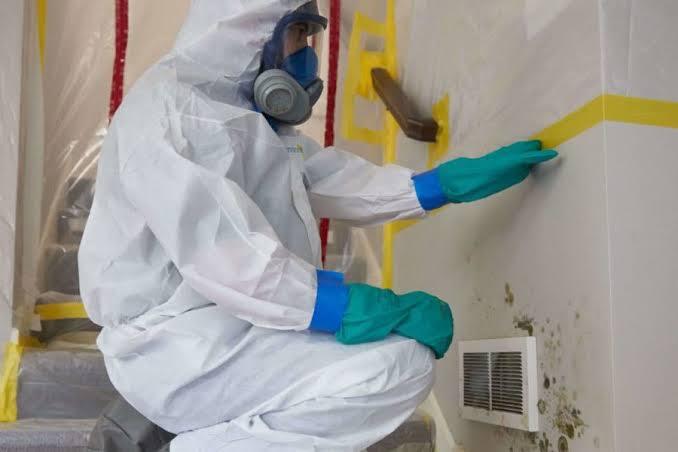
Deodorization focuses on treating affected materials and areas rather than simply covering odors with fragrances. The appropriate approach depends on the materials involved, the extent of smoke exposure, and the condition of the property.
Water-affected areas may also require additional cleaning or treatment as part of the overall restoration plan.
Step 6: Repair and Reconstruction
After cleanup and assessment, the property can move into the repair stage where necessary.
Depending on the extent of the fire and other damage, this may involve:
- Repairing or replacing damaged drywall
- Replacing affected flooring or ceilings
- Repairing damaged building components
- Restoring finished surfaces
- Cleaning or restoring eligible contents
- Completing other necessary repairs
Not every fire requires extensive reconstruction. A smaller loss may primarily involve smoke and soot cleanup, while a more extensive fire can affect multiple parts of the structure.
The final scope should be based on the documented condition of the property.
What Homeowners Can Expect From the Process
Fire damage restoration is not necessarily a single cleaning visit. Several types of damage may need to be addressed in sequence, and the order can change depending on the property.
For example, water removal and drying may need to occur before certain repairs can proceed. Smoke and soot cleanup may involve rooms beyond the original fire area, while structural repairs depend on what the assessment reveals.
The local restoration team has a long-standing presence in the Yampa Valley, serving property owners in Steamboat Springs and surrounding communities.
Fire Damage Repair in Steamboat Springs
A fire can leave behind several different restoration challenges, from visible structural damage to smoke residue, soot, odors, and water exposure. Understanding the process helps homeowners know why assessment and cleanup typically come before final repairs.
If your property has experienced fire or smoke damage, ServiceMaster of Steamboat Springs can help evaluate the damage, document the condition, and determine the appropriate next steps.
Frequently Asked Questions
1. How soon should I contact a fire damage restoration company after a fire?
Contact a restoration professional once the property has been cleared for entry by the appropriate authorities. Early evaluation helps identify fire, smoke, soot, and water damage.
2. Will my homeowner’s insurance cover fire damage restoration?
Many homeowners insurance policies cover fire-related damage, but coverage varies by policy and circumstances. Your insurer can explain your coverage, while restoration professionals can document the property damage for the claims process.
3. What items can be saved after a fire?
Some furniture, textiles, personal belongings, and other contents may be suitable for cleaning or restoration. The decision depends on the material and the extent of heat, smoke, soot, and water exposure.
4. How long does fire damage restoration take?
The timeline depends on the size and severity of the damage and the repairs required. Smaller losses may take less time, while extensive restoration or reconstruction can take several weeks or longer.