Commercial Water Mitigation Protocols: Protecting Local Businesses from Operational Downtime

ServiceMaster Colorado

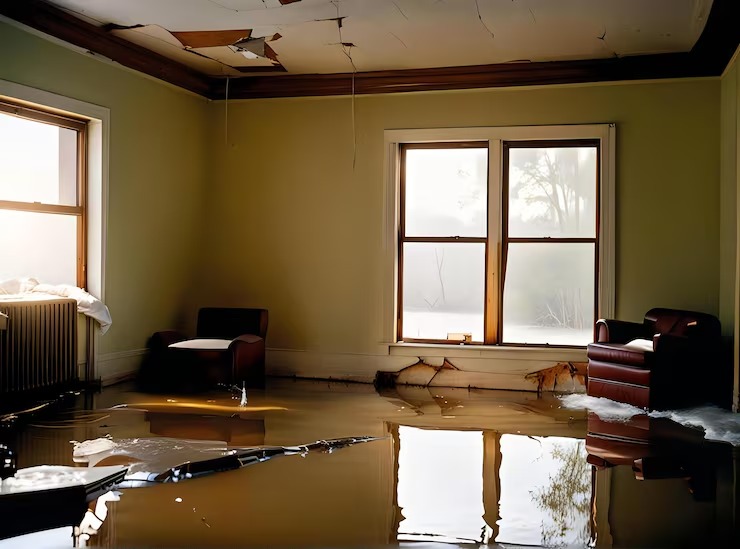
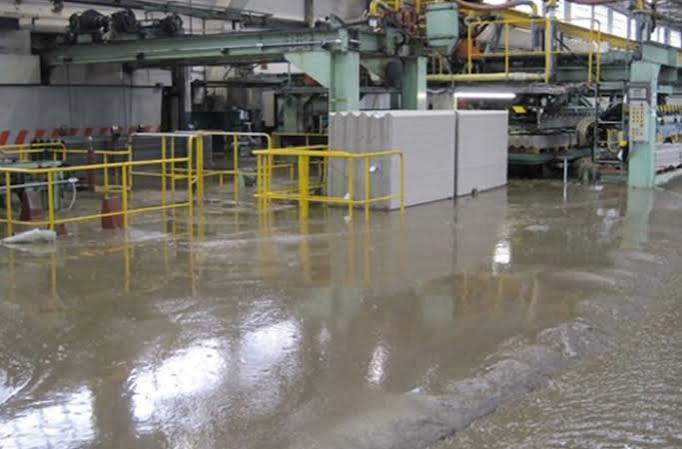
A burst pipe at 6 a.m. does not wait for business hours. Neither does a failed water heater, plumbing problem, or roof leak after a storm. For businesses in Steamboat Springs and surrounding communities, unexpected water intrusion can affect more than the building. Flooring, inventory, equipment, records, customer areas, and daily operations may all require attention.

Commercial water mitigation focuses on controlling the source, identifying affected areas, removing standing water, drying materials, and determining what additional restoration may be needed. A coordinated response can help businesses address the immediate loss while making practical decisions about access and ongoing operations.

Why Commercial Water Mitigation Requires a Coordinated Response

A water incident can create different challenges depending on the type of property, where the water entered, and which areas or assets were affected. A retail space, restaurant, office, lodging property, or warehouse may have different priorities during cleanup.

A practical commercial response can be organized around three priorities:

  • People: Keep employees, customers, and other occupants away from areas that may present electrical, structural, or contamination concerns.
  • Property: Identify the water source, document visible damage, remove standing water, and address moisture in affected materials.
  • Operations: Determine which unaffected areas can remain in use and which activities may need to be relocated or temporarily restricted.

This approach recognizes that commercial mitigation is not only about the building. It also involves making informed decisions about access, inventory, equipment, records, and other business assets while the property is being assessed and stabilized.

Common Causes of Commercial Water Damage in Steamboat Springs

Local businesses can experience water damage from plumbing, building, and weather-related problems. Potential sources include:

  • Frozen or burst pipes during cold weather
  • Roof leaks following winter weather or heavy precipitation
  • Snowmelt or runoff entering lower areas of a property
  • Failed water heaters, plumbing fixtures, or appliances
  • Sprinkler system malfunctions
  • Drain or sewage backups

The source and condition of the water matter when determining the appropriate response. For example, water from a plumbing failure may require a different approach from water associated with a sewage backup. In the Steamboat Springs area, businesses should also consider seasonal risks such as frozen plumbing and water intrusion associated with winter weather or snowmelt when reviewing their property-maintenance plans. 
For businesses preparing for periods of increased winter activity in Steamboat Springs, addressing known plumbing, roof, drainage, and water-heater concerns in advance can be part of a practical water-damage prevention plan. 

A Practical Commercial Water Mitigation Protocol

1. Protect People and Address the Source

The priority is safety. If it can be done safely, the water source should be stopped or isolated to limit additional intrusion. Employees should not enter areas where electrical hazards, contaminated water, structural concerns, or other unsafe conditions may exist.

Businesses should also identify who is responsible for contacting property management, building maintenance, insurance representatives, and restoration professionals when an incident occurs.

2. Document the Initial Conditions

Before cleanup changes the affected areas, businesses should document visible damage when it is safe to do so. Photos and notes can help create a record of the incident.

Useful documentation may include:

  • The apparent source of the water
  • Areas affected by standing water
  • Damaged flooring, walls, ceilings, or fixtures
  • Affected inventory or equipment
  • The approximate time the problem was discovered

Insurance coverage depends on the policy and circumstances of the loss, so businesses should follow their insurer’s instructions regarding documentation and claims.

3. Assess the Extent of the Damage

A professional assessment can help identify visible and less-obvious moisture. Moisture meters and other assessment tools may be used to evaluate affected materials and determine where drying efforts are needed.

The assessment may include areas surrounding the original water source, including flooring, subfloors, walls, ceilings, storage spaces, and other building components. For commercial properties, the review may also need to account for affected inventory, equipment, records, or customer-facing areas. 

4. Extract Standing Water

Commercial standing water extraction is an important step when water has accumulated inside the property. Pumps and professional extraction equipment may be selected based on the amount of water and conditions at the site.

Removing standing water can help limit the amount of moisture available to be absorbed by flooring, drywall, insulation, and other materials. The appropriate approach depends on the extent and source of the loss.

5. Dry and Monitor Affected Materials

After extraction, air movement and dehumidification equipment may be used to support structural drying. Drying conditions can vary based on the materials involved, the amount of water, environmental conditions, and how long the materials have been exposed.

Moisture measurements can help track progress and determine whether affected areas have reached appropriate drying conditions.

6. Address Cleaning and Further Restoration

Some water losses may require cleaning or disinfection, depending on the source and condition of the water. Areas affected by contaminated water may require additional precautions and professional handling.

Once the property has been stabilized and dried, further restoration may involve repairing or replacing affected materials. The scope depends on the condition of the property and the extent of the loss.

Reducing Operational Disruption During Cleanup

Commercial water mitigation is not only about the building. Businesses also need to consider how the incident affects employees, customers, inventory, and normal operations.

Where conditions allow, unaffected areas may remain in use while mitigation takes place elsewhere. However, access to areas with standing water, electrical concerns, contamination, or ongoing drying requirements may need to be restricted until they are considered appropriate for use.

The goal is not necessarily to keep every part of the property operating during mitigation. Instead, businesses can work with property managers, insurers, employees, and restoration professionals to determine which areas can remain accessible and which activities may need temporary adjustments.

A practical response plan can identify:

  • Who has the authority to shut off water
  • Who contacts the appropriate emergency and property contacts
  • Where important shutoff valves are located
  • How employees should report a water incident
  • Which equipment, inventory, or records require special attention
  • What information should be documented for the property owner or insurer

Preparing these details before an incident can make the initial response more organized.

Preparing Steamboat Springs Businesses for Water Emergencies

Cold-weather conditions make preventive maintenance particularly relevant for businesses in the Steamboat Springs area.

Businesses can also review exposed plumbing, roof conditions, drainage, water heaters, and other known maintenance concerns as part of routine property planning. 

Having current emergency contacts and a basic response plan can also help employees know what to do when an unexpected water problem occurs.

For businesses that need professional assistance, ServiceMaster of Steamboat Springs provides water damage restoration services in Steamboat Springs and throughout Routt, Moffat, and Grand Counties. 

The Bottom Line

Commercial water damage requires decisions about both property and business operations. Identifying the source, protecting people, documenting the loss, extracting standing water, drying affected materials, and addressing additional restoration needs can provide a structured approach to the incident.

For businesses in Steamboat Springs, Routt County, Moffat County, and Grand County, having a response plan in place can help employees and property stakeholders know what to do when an unexpected loss occurs.

When professional mitigation is needed, ServiceMaster of Steamboat Springs can help businesses address water damage and move toward the next stage of recovery.

Frequently Asked Questions

Can a business stay open during water mitigation?

In some cases, yes. Unaffected areas may remain open depending on the extent of the damage, safety conditions, and access requirements.

Will insurance cover commercial water damage cleanup?

Coverage depends on the cause of the damage and the terms of the policy. Businesses should review their coverage and discuss the loss with their insurance provider.

What should a business document after water damage?

Document the water source, affected areas, visible damage, and any impacted inventory or equipment. Photos and written notes can help create a record of the initial conditions.

What should businesses check before winter in Steamboat Springs?

Businesses can review exposed plumbing, roof conditions, drainage, and water heaters. They should also make sure employees know how to report a water emergency and who to contact.
Read More

Smoke Damage in Steamboat Springs Homes: Why Soot and Odors Require Professional Cleanup

soot and odor

Smoke can travel well beyond the area where a fire started. Fine soot particles may settle on walls, ceilings, flooring, furniture, and other surfaces, while smoke odors can remain in fabrics and porous building materials after the visible smoke has cleared.

For homeowners in Steamboat Springs, smoke damage may follow a house fire, kitchen incident, chimney or wood-burning appliance problem, or smoke entering a property from an outside source. The extent of the cleanup depends on where the smoke traveled, the materials it reached, and the type of residue left behind. 

If your home has visible soot, discoloration, or a persistent smoky smell after a fire or smoke event, understanding how smoke residue affects different materials can help you decide when professional restoration may be appropriate.

Why Smoke Damage Can Be Difficult to Clean

Soot consists of fine particles that can settle across many surfaces. Depending on the source of the fire and the materials involved, the residue may be dry and powdery, greasy, sticky, or difficult to see.

Smoke Damage Repair

Smoke can also reach areas that are easy to overlook, including cracks, vents, fabrics, insulation, and other porous or unfinished materials. These areas may require a different cleaning approach from finished surfaces, particularly when soot or odor has traveled beyond the visibly affected room.

Attempting to clean these areas without first understanding the type of residue can spread soot or affect the underlying surface.

The appropriate cleaning method depends on the material affected, the characteristics of the residue, and the extent of the contamination. That is one reason a professional assessment can be useful after a significant smoke event.

Why the Type of Smoke Residue Matters 

Smoke residue can vary according to the fire source, combustion conditions, and materials involved. A residue may be dry and powdery, sticky, greasy, or difficult to see, and the cleaning method should be selected based on the residue and the surface involved. 

  • Wet smoke: This residue can be thick or sticky and may be difficult to remove from some surfaces.
  • Dry smoke: This type of residue is generally finer and may appear powdery.
  • Protein residue: Kitchen fires involving food can leave residue and odors that may be difficult to identify by appearance alone.
  • Fuel-related residue: Smoke associated with heating equipment or other fuel sources can leave residue with characteristics that depend on the fuel and materials involved. 

These categories are useful for understanding why there is no single cleaning method that works for every smoke-damaged surface.

Why Smoke Odors Can Linger

Smoke odor is not always confined to the surface where it is first noticed. Smoke-related residues and odors can become absorbed into porous or unfinished materials, including carpeting, upholstery, wood, and some wall or insulation materials. 

Simply covering the smell with an air freshener may provide temporary masking without addressing the source. Restoration may instead involve cleaning affected surfaces, removing materials that cannot be effectively restored, and using appropriate deodorization methods.

Depending on the circumstances, cleanup may include:

  1. Assessment and source removal: Identifying heavily affected materials and determining whether they can be cleaned or need to be removed.
  2. Soot cleaning: Using methods suited to the surface and residue, which may include specialized dry-cleaning techniques or HEPA-filtered equipment where appropriate. 
  3. Odor treatment: Addressing remaining smoke odors with a method appropriate for the affected materials and extent of the problem.
  4. Surface sealing: In some cases, cleaned surfaces may require an odor-blocking coating to help prevent residual odors from returning through finished surfaces.

The specific process will depend on the property and the type of smoke damage present.

When Smoke Affects the HVAC System

Smoke can enter heating and ventilation components, depending on the location and circumstances of the event. If the HVAC system has been exposed to smoke or soot, it may contribute to the movement of smoke-related particles or odors through the property when operated. 

If you suspect the system has been affected, it should be evaluated before normal operation continues. HVAC-related concerns may require attention beyond cleaning visible surfaces elsewhere in the home.

Smoke From Outside the Home

Smoke does not always originate from an interior fire. Outdoor smoke can enter a home through windows, doors, ventilation systems, and other openings.

After an outside smoke event, particles and odors may settle on carpeting, upholstery, walls, and other interior surfaces. The appropriate response depends on the level and duration of exposure and the materials affected.

If a smoky odor or visible residue remains after the outside source has passed, an assessment can help determine whether cleaning or additional treatment is appropriate.

For property owners in Steamboat Springs and the surrounding Northwest Colorado service area, the source of the smoke matters when determining the appropriate cleanup approach. An interior fire, a heating-equipment incident, or smoke entering from outside can leave different types and levels of residue, so the response should be based on the conditions at the individual property rather than a one-size-fits-all cleaning method. 

What to Do After You Notice Smoke Damage

If you discover soot, discoloration, or a persistent smoky smell, a few precautions can help while you determine the next step:

  • Avoid aggressively wiping dry soot, particularly when you are unsure how the surface or residue will respond to moisture or pressure. 
  • If you suspect smoke entered the HVAC system, have the system evaluated before continued operation.
  • Ventilate the property when outdoor air quality and conditions make it appropriate to do so.
  • Photograph affected areas before significant cleanup for insurance documentation.
  • Avoid applying household cleaners until you understand the type of residue and the surface involved.

If the event involved a fire, safety should come first. Cleanup should not begin until the property has been determined to be safe to enter.

When Should You Call a Professional?

Professional smoke damage cleanup may be appropriate when soot has spread beyond a small, contained area, odors persist after initial cleaning, smoke has reached porous or difficult-to-clean materials, or the HVAC system may have been exposed. These conditions can make the scope of cleanup less straightforward than removing visible residue from a single surface. 

A restoration professional can assess affected areas, identify the types of materials and residue involved, determine which items may be salvageable, and recommend cleaning or deodorization methods suited to the situation.

For property owners in Steamboat Springs and surrounding communities, ServiceMaster of Steamboat Springs provides fire and smoke damage cleanup within its stated service area of Routt, Moffat, and Grand Counties.

Noticing soot, staining, or a persistent smoky smell in your Steamboat Springs home? Contact ServiceMaster of Steamboat Springs to discuss the situation and determine the appropriate next steps.

Frequently Asked Questions

1. How long can a smoke odor last in a house after a fire?

Smoke odor can persist when odor-causing residues have absorbed into porous materials such as carpeting, upholstery, or wood. How long it lasts depends on the extent of exposure, materials affected, and how thoroughly the property is cleaned.

2. Can smoke damage affect indoor air quality?

Smoke can leave fine particles and residues throughout an affected property. If smoke has entered the HVAC system or remains in the indoor environment, an assessment can help determine whether additional cleaning is needed.

3. Does homeowners insurance cover smoke damage restoration?

Coverage depends on the cause of the damage and the terms of your homeowners insurance policy. Smoke and soot damage from a covered fire may be included, but coverage varies by policy.

4. Can I clean smoke damage myself?

Some minor surface residue may be manageable depending on the material and type of residue, but using an inappropriate cleaning method can spread soot or damage the affected surface. 

Read More

Timeline of Property Water Damage: Structural Risks During Early Autumn Freezes in Northwest Colorado

Property Water Damage Restoration

Early autumn temperature drops can create a risk for plumbing that has not yet been prepared for colder conditions.

When water freezes inside a vulnerable pipe, expansion can place pressure on the pipe and its connections. A damaged pipe may not begin leaking until temperatures rise and water pressure returns.

Once water escapes, the problem can move beyond the plumbing itself. Moisture may enter drywall, flooring, insulation, sub-flooring, and other materials, including areas that are not immediately visible.

For homeowners in Northwest Colorado, understanding how this process can unfold can make it easier to recognize a problem early and determine when water mitigation may be needed.

Why Early Autumn Freezes Can Affect Vulnerable Plumbing

Early-season freezes can be particularly important when temperatures move repeatedly between freezing and above-freezing conditions. Plumbing located in crawl spaces, exterior walls, garages, or other areas with limited heat may be more exposed to these temperature changes.

The key risk is not simply that a pipe becomes frozen. As water freezes and expands, pressure can develop within a closed section of plumbing. A pipe or connection may be damaged during this process, while the resulting leak becomes noticeable later when temperatures rise and water begins moving through the system again.

Concealed plumbing can make the problem harder to identify. A leak behind a wall or beneath a floor may allow moisture to spread before a homeowner sees a stain, feels dampness, or notices another visible change.


A Possible Timeline After a Freeze-Related Plumbing Failure

There is no universal timeline for every freeze-related plumbing failure. The progression depends on factors such as the location and size of the leak, the amount of water released, the affected materials, temperature, humidity, and how quickly the water source is controlled.

The timeline below illustrates possible developments rather than a fixed sequence.

Possible Stage / Approximate Timing What may be happeningWhat a homeowner may notice
0–6 hoursWater may be freezing inside vulnerable plumbing, or a previously damaged pipe may remain intact until temperatures change.Often no visible sign, particularly when plumbing is concealed.
6–24 hoursAs temperatures rise, a damaged pipe, fitting, or connection may begin releasing water. Moisture can start entering nearby materials.Drips, damp spots, staining, or unexplained moisture near plumbing.
24–48 hoursContinued wetting can affect drywall, flooring, insulation, sub-flooring, and other porous materials.Soft or damp surfaces, discoloration, swelling, or peeling finishes.
24–48+ hours If affected materials remain wet, continued moisture control becomes increasingly important. The U.S. Environmental Protection Agency recommends drying damp areas within 24–48 hours, when possible, to help prevent mold growth. Musty odors or continuing signs of moisture may become noticeable.  
3–7 daysPersistent moisture can increase the likelihood of material deterioration and may make complete drying more difficult.Warping, swelling, discoloration, or deterioration of affected materials.
After several days or longer If moisture remains undetected or affected materials remain damp, damage can continue to develop in concealed spaces and building materials. Persistent odors, visible deterioration, or additional restoration requirements. 

The timeline is best understood as a sequence of possible developments rather than a guarantee that damage will reach each stage.

Where Hidden Moisture Can Create Problems

Water does not necessarily remain where a pipe failed. It can move through cavities and along building materials before appearing in another location.

Areas worth checking include:

  • Crawl spaces: Plumbing in colder, less-heated spaces may be exposed to freezing conditions, while standing or leaking water can affect insulation and surrounding materials.
  • Exterior walls: Pipes located near exterior surfaces may have greater exposure to cold temperatures, depending on construction and insulation.
  • Unheated garages and utility areas: Limited indoor heating can leave plumbing more vulnerable during sudden temperature drops.
  • Floors and sub-floors: Water released above a floor can move into flooring layers and sub-floor materials, where drying may require access to concealed areas.
  • Wall cavities: A small visible stain may not represent the full extent of moisture behind the surface.

Not every wet building component requires removal. For example, EPA guidance notes that some drywall can be dried in place when it has not swollen and its seams remain intact, while other materials may need removal depending on their condition.

What to Do When a Freeze-Related Leak Is Discovered

The first priority is to control the water source and avoid creating additional safety risks.

  • Shut off the water supply if a pipe has burst or is actively leaking and it is safe to do so.
  • Stay away from electrical outlets, appliances, and equipment near standing water. If electrical safety is uncertain, seek qualified assistance.
  • Move rugs, furniture, and other portable items away from wet areas when it can be done safely.
  • Document visible damage with photographs before cleanup or removal when practical, particularly if you may need to contact your insurance provider.
  • Begin appropriate water removal and moisture control promptly. Standing water and saturated materials may require more than surface-level cleanup.
  • Have concealed areas assessed when moisture may have entered walls, flooring, insulation, or other inaccessible spaces.

Why Early Water Mitigation Matters

Water mitigation generally focuses on controlling the water source, removing excess water, identifying affected materials, and creating conditions that support effective drying.

Water Damage

A surface can appear dry while moisture remains in a wall cavity, beneath flooring, or within insulation. Moisture measurements can help identify areas that remain wet and guide decisions about continued drying.

For homeowners in Routt, Moffat, and Grand Counties, ServiceMaster of Steamboat Springs provides 24/7 emergency damage restoration services, including water damage response.

A professional assessment can help determine the extent of the affected area and whether extraction, structural drying, material removal, or additional restoration steps are appropriate.

An early autumn freeze does not necessarily lead to significant property damage. The concern is a plumbing failure that goes unnoticed while released water continues to affect surrounding materials. Understanding the sequence from freezing conditions and pipe damage to water release, moisture migration, and moisture control can help homeowners recognize a problem and respond before the affected area becomes more difficult to address.

Frequently Asked Questions

Q. Can a frozen pipe cause damage before it actually bursts?
Yes. Freezing water can increase pressure within plumbing and stress vulnerable pipes, joints, or fittings. Damage may become noticeable when the frozen water begins to thaw.

Q. What areas of a home are most at risk during early autumn freezes?
Areas with limited heat or exposed plumbing can be more vulnerable, including crawl spaces, exterior walls, unheated garages, and utility areas.

Q. Do I need to prepare my home before the first freeze in Northwest Colorado?
Yes. Inspect exposed pipes and vulnerable areas, and address insulation or heating concerns before freezing temperatures arrive.

Q. Is mold a risk after one freeze event?
Not necessarily. Mold becomes a concern when a freeze-related leak leaves materials such as drywall, insulation, or sub-flooring damp for an extended period.

Read More

Why Professional Office Cleaning Services in Steamboat Springs Matter for Your Business

Office Cleaning Services Steamboat Springs

Office Cleaning Services Steamboat Springs provide specialized cleaning that maintains healthy, productive work environments while creating positive impressions for clients and visitors.

Steamboat Springs’ unique mountain environment brings specific challenges, dirt and debris from outdoor activities, seasonal allergens, and harsh weather conditions that impact office cleanliness. Professional cleaning services address these challenges effectively.

Regular professional cleaning protects your business investment, supports employee well being, and ensures your workspace reflects your company’s professional standards.

How Does Professional Office Cleaning Impact Employee Health?

Clean offices directly affect employee health and workplace attendance. Dust, allergens, and bacteria accumulate quickly in office environments, especially during Steamboat Springs’ busy winter and summer seasons.

Professional cleaning services target high-touch surfaces like door handles, keyboards, phones, and shared equipment where germs spread most easily. Regular sanitation reduces illness transmission among staff members.

Improved air quality from proper cleaning and dusting helps employees breathe easier, reducing respiratory issues and allergy symptoms common in mountain environments.

Healthier employees mean fewer sick days, better productivity, and lower healthcare costs for your business.

What Office Cleaning Services Are Available in Steamboat Springs?

Daily Cleaning Services Regular cleaning maintains consistent Residential Cleaning Services in Colorado cleanliness throughout your workspace, including trash removal, surface wiping, and restroom maintenance.

Deep Cleaning Thorough cleaning reaches areas beyond daily maintenance, addressing carpets, upholstery, baseboards, and hard-to-reach spaces. Floor Care Professional floor cleaning, stripping, and waxing keeps all flooring types looking professional and extends their lifespan.

Window Cleaning Clean windows improve natural lighting and maintain your building’s exterior appearance, especially important for street-facing offices.

Restroom Sanitation Comprehensive restroom cleaning and sanitizing creates hygienic facilities for employees and visitors.Specialized Services Additional services may include carpet cleaning, upholstery care, and post-construction cleaning for renovations or expansions.

How Does Office Cleanliness Affect Your Business Image?

First impressions matter significantly in business. Clients, partners, and potential employees form opinions about your company within minutes of entering your office.

A clean, organized workspace communicates professionalism, attention to detail, and respect for both employees and visitors. These qualities build trust and confidence in your business capabilities.

Conversely, cluttered or dirty offices suggest poor management and lack of care, potentially costing you valuable business relationships and opportunities.

Professional Office Cleaning Services Steamboat Springs ensure your workspace consistently reflects the quality and professionalism your business represents.

Can Clean Offices Improve Employee Productivity?

Yes, workplace cleanliness directly impacts employee performance and morale. Clean, organized environments reduce stress and help employees focus on their work rather than workplace distractions.

Clutter and mess create mental distractions that lower concentration and efficiency. Professional cleaning maintains organized spaces that support productive work.

Employees working in clean environments report higher job satisfaction and take greater pride in their workplace. This positive atmosphere improves retention and attracts quality talent to your business.

Additionally, clean offices reduce time employees spend searching for items or working around messes, allowing them to dedicate more time to productive tasks.

How Often Should Offices Be Professionally Cleaned?

Cleaning frequency depends on several factors:

Daily Cleaning High-traffic offices, medical facilities, and customer-facing businesses benefit from daily professional cleaning to maintain standards.Multiple Times Weekly Most standard offices achieve good results with cleaning three to five times weekly, balancing cleanliness with cost-effectiveness.

Weekly Cleaning Smaller offices with fewer employees may maintain adequate cleanliness with weekly professional services.

Consider your office size, employee count, foot traffic, and industry requirements when determining cleaning frequency. Professional cleaning companies can assess your needs and recommend appropriate schedules.

What Should You Look for in Office Cleaning Services?

Reliability and Consistency

Choose services that maintain regular schedules and deliver consistent quality with each visit.

Flexible Scheduling

Look for companies offering cleaning during off-hours to avoid disrupting your business operations.

Comprehensive Services

Select providers handling all your cleaning needs rather than requiring multiple vendors.

Professional Standards

Verify the company follows proper cleaning protocols and uses appropriate products for different surfaces and materials.

Local Understanding

Companies familiar with Steamboat Springs understand the specific challenges local businesses face.

Conclusion

Professional Office Cleaning Services Steamboat Springs provide essential benefits that extend far beyond surface cleanliness. From protecting employee health and boosting productivity to creating positive business impressions and maintaining your property investment, professional cleaning delivers measurable value.

Steamboat Springs’ unique mountain environment demands cleaning expertise that addresses seasonal challenges and maintains high standards year-round.

Professional services ensure your office remains a healthy, productive, and welcoming space regardless of weather conditions or seasonal business fluctuations.

Investing in professional office cleaning isn’t an expense, it’s a strategic business decision that supports your employees, impresses your clients, and protects your workspace.

Consider how professional cleaning services can elevate your business environment and contribute to your company’s overall success in Steamboat Springs’ competitive business community.

Read More

How Professional Mold Remediation Services Restore Air Quality in Your Home

Mold growth is a common issue for many Colorado homeowners, especially in areas like Steamboat Springs, where changing temperatures, snowmelt, and humidity can create moisture inside homes.

Once mold begins to spread, it doesn’t just affect surfaces. It can also impact the air you breathe and the overall safety of your indoor environment. So understanding how professional mold remediation services work can help you protect your home and restore healthy air quality for your family.

Understanding how mold affects indoor air

Mold releases tiny spores into the air. These spores are invisible but can move easily through rooms, ventilation systems, and HVAC units. Over time, this can lead to:

• Musty indoor odors
• Irritation for occupants with allergies or respiratory sensitivities
• Spread of mold to previously unaffected areas
• Long-term damage to materials like drywall, insulation, and wood

Because mold can grow behind walls, under floors, and in crawl spaces, identifying the full extent of the problem often requires trained inspection and specialized equipment.

Why professional remediation matters

Many homeowners try to address mold with surface-level cleaning, but wiping visible patches does not remove the root cause. Professional remediation teams use industry-standard methods to address both the contamination and the moisture issues that created it.

Here are a few key advantages of hiring experts:

• Advanced moisture detection tools
• Containment systems that prevent spores from spreading
• Safe removal and cleaning processes
• Specialized air filtration and purification methods
• Long-term prevention recommendations

Working with trained professionals helps ensure the mold is removed safely and thoroughly, without risking additional contamination.

How experts restore healthy indoor air

Professional mold remediation follows a structured, step-by-step approach. This helps protect your home and restore indoor air quality effectively.

1. Comprehensive inspection

The team begins with a detailed assessment of the affected areas. They look for visible mold, hidden moisture, and any signs that the problem may have spread to other rooms. This helps determine the proper remediation plan.

2. Containment and protection

To keep mold spores from moving to clean areas, professionals set up containment barriers. These are often airtight plastic enclosures paired with negative air pressure systems, which help pull contaminated air out of the space instead of letting it travel through the home.

3. Air filtration and purification

High-efficiency particulate air (HEPA) filtration equipment is used to capture microscopic mold spores. This step is essential for improving indoor air quality and preventing recontamination. It also helps reduce odors and clears the environment for safe cleaning.

4. Removal of affected materials

Depending on the severity of the mold growth, professionals may remove damaged drywall, insulation, flooring, or other porous materials. Non-porous and semi-porous surfaces are cleaned and treated using safe, approved products designed for mold cleanup.

5. Cleaning and sanitizing

All surfaces in the affected area are thoroughly cleaned. This includes structural materials, furniture (when possible), and the surrounding space. In many cases, antimicrobial treatments are applied to discourage future mold growth.

6. Moisture correction and prevention

Because mold thrives in damp environments, professionals address the underlying moisture problem. This may involve improving ventilation, encapsulating crawl spaces, adjusting drainage, or recommending dehumidification solutions.

This complete process helps ensure your air quality improves and your home remains protected long after the remediation is completed.

Signs your home may need mold remediation

Homeowners in Steamboat Springs should stay alert to early warning signs. Here are some indicators that mold may be affecting your air and requiring professional help:

• Persistent musty smells in certain rooms
• Visible spots or discoloration on walls, ceilings, or floors
• Increased humidity indoors
• Allergy-like symptoms when spending time at home
• Any previous water damage from leaks, storms, or plumbing issues

Addressing these signs early can help prevent larger repairs later on.

A trusted local partner for Colorado homes

Colorado homeowners often want a team they can rely on during stressful situations. ServiceMaster Cleaning & Restoration has years of experience providing restoration and cleaning services across the region, including fire damage cleanup, water damage recovery, mold mitigation, and bio-hazard cleanup.

Our commitment to proper remediation, advanced equipment, and 24/7 emergency availability makes us a dependable resource when mold affects your home’s air quality.

Read More

Tips for Preventing Floods in Your Home

Tips for Preventing Floods in Your Home

A flood can have a devastating impact on your home. Floods can happen due to heavy rain storms, hurricanes, or accidents inside the house. A bad flood can ruin your foundation and make a home unlivable. According to Ruby Home Real Estate, about 14,000 people in the U.S. are affected by water damage daily. Read on for tips on how to prevent a call for emergency flood services.

Watch Forecasts

Pay attention to weather forecasts. If there is a serious likelihood of a heavy storm, especially a hurricane, take the time to prepare your home for the possibility of a flood. Quickly seal off any entryways, such as doors or windows. If you have a basement, inspect it for any vulnerable areas and make sure they are sealed.

Lift Your Home

If you live in an area with constant flooding or a high water table, you may want to consider lifting your home. When contractors lift your home, they raise it from its current foundation and make the existing one higher and stronger. Having your home on a higher foundation decreases the likelihood that the main house will flood. They can also make the new foundation as impenetrable as possible to avoid the need for emergency flood services.

Check Pipes

Sure, you stay on top of any plumbing inspections, but what happens if a pipe bursts? Have your local plumber check it out immediately. Even the smallest of leaks can eventually turn into a massive flood. Be aware of the weather as pipes can easily burst when they freeze over.

Seal Doors and Windows

Your doors and windows are easy targets for water rushing in from inclement weather. If a storm is approaching, you can immediately weatherstrip the edges. However, you should upgrade these entry points with storm doors and windows. Installing a steel or iron door may be expensive, but it can provide protection from intruders and weather. Double-pane windows are stronger than single-pane ones, so call your local window installers for an upgrade.

There are ways you can protect your property from floods. Use weather stripping, pipe inspections, or move into an area that’s not flood-prone. If you’re dealing with flood issues, contact us at ServiceMaster for our local emergency flood services today.

Read More

4 Common Causes of Water Damage in Homes

4 Common Causes of Water Damage in Homes

Your home is your sanctuary and a big investment, so the last thing you need is water damage. Understanding the common causes of water damage in homes is the first step in preventing it from occurring or having a devastating effect. According to Ruby Home Real Estate, about 14,000 people are affected by water damage daily. Read on to see how you can avoid being one of those people that needs a water removal service.

1. Faulty Appliances

It may surprise you, but your appliances can have a role in ruining your nice floors. A faulty hose in a fridge, washing machine, or dishwater can flood your floors and require action from a water removal service. An outdated water heater can leak as sediment builds up inside or it reaches its life cycle. Don’t sleep on regular inspections, and have a contractor make energy-efficient appliance updates to reduce the chances of leakage. You may even get a tax rebate for such appliance updates from the local or federal government at tax time.

2. Plumbing Fixtures

As water constantly moves throughout your pipes and drains, age, clogs, and other mishaps can result in leaks. Toilets can overflow due to a sewer backup or someone may accidentally forget they are running water in the plugged-up tub or sink. A small crack may turn into a busted pipe, often resulting in major leaks. That’s why you should make sure your pipes have the necessary padding, and inspections to make sure everything is in compliance.

3. Storms

Heavy storms mean wet weather and winds that may damage roofs and windows. This creates an ideal situation for water to find its way into your home through several entry points such as the basement, attic, windows, and more. Take preventative measures by checking for cracks or gaps, especially near entry points like windows and doors.

4. Roof Damage

A leaky roof is more common than many homeowners would like. The type of roofing material, the age of the roof, and the last time you had an inspection all affect how easily water can come in. You may not notice damage from looking at your roof from the outside of your home, but dark and wet stains may appear on the ceiling and upper wall area.

Water damage can ruin your home’s foundation and the valuable possessions you have inside. From weather and bad appliances to human error, water damage can strike anytime. Contact our local water removal service at ServiceMaster if you need help with this issue.

Read More