Timeline of Property Water Damage: Structural Risks During Early Autumn Freezes in Northwest Colorado

Early autumn temperature drops can create a risk for plumbing that has not yet been prepared for colder conditions.
When water freezes inside a vulnerable pipe, expansion can place pressure on the pipe and its connections. A damaged pipe may not begin leaking until temperatures rise and water pressure returns.
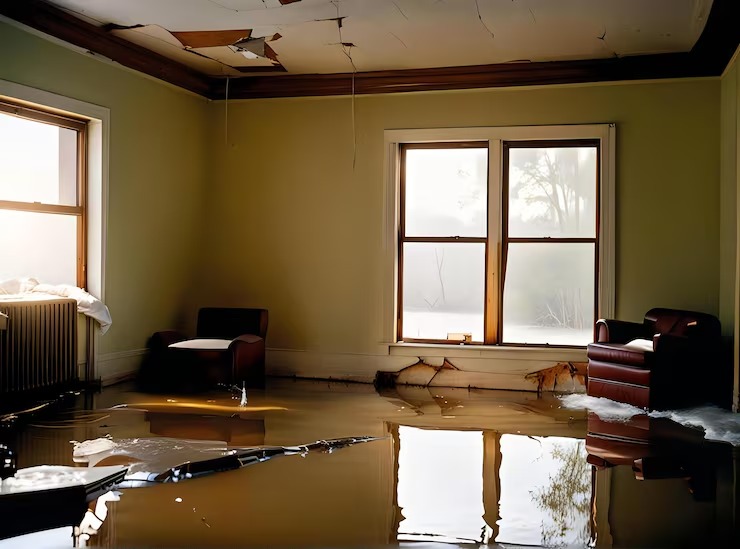
Once water escapes, the problem can move beyond the plumbing itself. Moisture may enter drywall, flooring, insulation, sub-flooring, and other materials, including areas that are not immediately visible.
For homeowners in Northwest Colorado, understanding how this process can unfold can make it easier to recognize a problem early and determine when water mitigation may be needed.
Why Early Autumn Freezes Can Affect Vulnerable Plumbing
Early-season freezes can be particularly important when temperatures move repeatedly between freezing and above-freezing conditions. Plumbing located in crawl spaces, exterior walls, garages, or other areas with limited heat may be more exposed to these temperature changes.
The key risk is not simply that a pipe becomes frozen. As water freezes and expands, pressure can develop within a closed section of plumbing. A pipe or connection may be damaged during this process, while the resulting leak becomes noticeable later when temperatures rise and water begins moving through the system again.
Concealed plumbing can make the problem harder to identify. A leak behind a wall or beneath a floor may allow moisture to spread before a homeowner sees a stain, feels dampness, or notices another visible change.
A Possible Timeline After a Freeze-Related Plumbing Failure
There is no universal timeline for every freeze-related plumbing failure. The progression depends on factors such as the location and size of the leak, the amount of water released, the affected materials, temperature, humidity, and how quickly the water source is controlled.
The timeline below illustrates possible developments rather than a fixed sequence.
| Possible Stage / Approximate Timing | What may be happening | What a homeowner may notice |
| 0–6 hours | Water may be freezing inside vulnerable plumbing, or a previously damaged pipe may remain intact until temperatures change. | Often no visible sign, particularly when plumbing is concealed. |
| 6–24 hours | As temperatures rise, a damaged pipe, fitting, or connection may begin releasing water. Moisture can start entering nearby materials. | Drips, damp spots, staining, or unexplained moisture near plumbing. |
| 24–48 hours | Continued wetting can affect drywall, flooring, insulation, sub-flooring, and other porous materials. | Soft or damp surfaces, discoloration, swelling, or peeling finishes. |
| 24–48+ hours | If affected materials remain wet, continued moisture control becomes increasingly important. The U.S. Environmental Protection Agency recommends drying damp areas within 24–48 hours, when possible, to help prevent mold growth. | Musty odors or continuing signs of moisture may become noticeable. |
| 3–7 days | Persistent moisture can increase the likelihood of material deterioration and may make complete drying more difficult. | Warping, swelling, discoloration, or deterioration of affected materials. |
| After several days or longer | If moisture remains undetected or affected materials remain damp, damage can continue to develop in concealed spaces and building materials. | Persistent odors, visible deterioration, or additional restoration requirements. |
The timeline is best understood as a sequence of possible developments rather than a guarantee that damage will reach each stage.
Where Hidden Moisture Can Create Problems
Water does not necessarily remain where a pipe failed. It can move through cavities and along building materials before appearing in another location.
Areas worth checking include:
- Crawl spaces: Plumbing in colder, less-heated spaces may be exposed to freezing conditions, while standing or leaking water can affect insulation and surrounding materials.
- Exterior walls: Pipes located near exterior surfaces may have greater exposure to cold temperatures, depending on construction and insulation.
- Unheated garages and utility areas: Limited indoor heating can leave plumbing more vulnerable during sudden temperature drops.
- Floors and sub-floors: Water released above a floor can move into flooring layers and sub-floor materials, where drying may require access to concealed areas.
- Wall cavities: A small visible stain may not represent the full extent of moisture behind the surface.
Not every wet building component requires removal. For example, EPA guidance notes that some drywall can be dried in place when it has not swollen and its seams remain intact, while other materials may need removal depending on their condition.
What to Do When a Freeze-Related Leak Is Discovered
The first priority is to control the water source and avoid creating additional safety risks.
- Shut off the water supply if a pipe has burst or is actively leaking and it is safe to do so.
- Stay away from electrical outlets, appliances, and equipment near standing water. If electrical safety is uncertain, seek qualified assistance.
- Move rugs, furniture, and other portable items away from wet areas when it can be done safely.
- Document visible damage with photographs before cleanup or removal when practical, particularly if you may need to contact your insurance provider.
- Begin appropriate water removal and moisture control promptly. Standing water and saturated materials may require more than surface-level cleanup.
- Have concealed areas assessed when moisture may have entered walls, flooring, insulation, or other inaccessible spaces.
Why Early Water Mitigation Matters
Water mitigation generally focuses on controlling the water source, removing excess water, identifying affected materials, and creating conditions that support effective drying.
A surface can appear dry while moisture remains in a wall cavity, beneath flooring, or within insulation. Moisture measurements can help identify areas that remain wet and guide decisions about continued drying.
For homeowners in Routt, Moffat, and Grand Counties, ServiceMaster of Steamboat Springs provides 24/7 emergency damage restoration services, including water damage response.
A professional assessment can help determine the extent of the affected area and whether extraction, structural drying, material removal, or additional restoration steps are appropriate.
An early autumn freeze does not necessarily lead to significant property damage. The concern is a plumbing failure that goes unnoticed while released water continues to affect surrounding materials. Understanding the sequence from freezing conditions and pipe damage to water release, moisture migration, and moisture control can help homeowners recognize a problem and respond before the affected area becomes more difficult to address.
Frequently Asked Questions
Q. Can a frozen pipe cause damage before it actually bursts?
Yes. Freezing water can increase pressure within plumbing and stress vulnerable pipes, joints, or fittings. Damage may become noticeable when the frozen water begins to thaw.
Q. What areas of a home are most at risk during early autumn freezes?
Areas with limited heat or exposed plumbing can be more vulnerable, including crawl spaces, exterior walls, unheated garages, and utility areas.
Q. Do I need to prepare my home before the first freeze in Northwest Colorado?
Yes. Inspect exposed pipes and vulnerable areas, and address insulation or heating concerns before freezing temperatures arrive.
Q. Is mold a risk after one freeze event?
Not necessarily. Mold becomes a concern when a freeze-related leak leaves materials such as drywall, insulation, or sub-flooring damp for an extended period.