After a crime, accident, unattended death, or other traumatic event at home, dealing with the property can add to an already difficult situation. Homeowners may have questions about safety, cleanup, insurance, and applicable regulations.
If you are researching biohazard cleanup services in Routt County, start by keeping people away from the affected area, following instructions from authorities, and confirming the next steps with your insurer and a qualified cleanup provider.
What Counts as a Biohazard in a Home?
A biohazard is biological material that may pose a risk to human health. In residential settings, this can include blood, certain bodily fluids, and materials contaminated during a traumatic event.
Examples may include:
- Blood or bodily fluids following a serious accident or crime
- Contaminated flooring, furniture, drywall, or personal belongings
- Materials requiring specialized handling after an unattended death
- Certain contaminated items discovered during hoarding cleanup
The level of contamination depends on the incident and the materials involved. Blood or bodily fluids may reach flooring, furniture, or drywall, so a visual inspection alone may not show the full extent of the affected area.
Why Professional Cleanup May Be Necessary
Household cleaning products and routine methods may not be suitable for every biohazard situation. Improper handling can expose people to potentially infectious materials or spread contamination to other surfaces.
The Occupational Safety and Health Administration (OSHA) explains that bloodborne pathogens can cause disease and details mandatory workplace protective measures within the official OSHA Bloodborne Pathogens Standard to govern environments where workers handle potentially infectious materials.
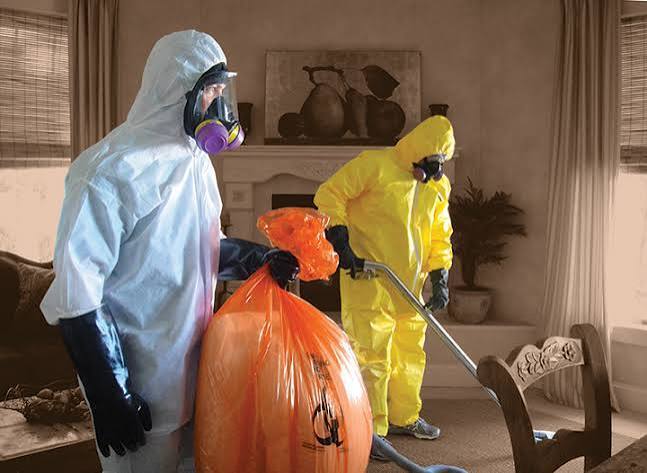
Depending on the incident, cleanup may involve assessing contamination, limiting access to the work area, removing affected materials, and cleaning and disinfecting suitable surfaces. The provider should explain how materials will be handled and disposed of under applicable requirements.
There is also an emotional side to consider. Having to revisit a traumatic scene or handle affected belongings can be distressing, and arranging help may allow residents to focus on their own needs.
What to Do First After a Traumatic Event
A few practical steps can help protect household members and preserve the affected area.
| Situation | What to Do |
| Someone needs immediate help | Contact emergency services. |
| Authorities are investigating | Keep the area undisturbed until authorities release the scene. |
| Blood or bodily fluids are present | Keep children and pets away. Avoid touching or cleaning the materials. |
| Cleanup needs to be arranged | Ask the provider about assessment, protective measures, material removal, and disposal procedures. |
| Insurance questions arise | Confirm coverage, documentation requirements, and approval conditions with your insurance provider. |
If you are unsure what to do next, ask the relevant authorities or your insurer for guidance before taking action that could affect an investigation or insurance claim.
Navigating Biohazard Cleanup Regulations and Compliance
Biohazard cleanup may involve requirements for worker protection, containment, handling, transportation, and disposal of contaminated materials. OSHA's Bloodborne Pathogens Standard establishes workplace protections for employees with reasonably anticipated exposure to blood or other potentially infectious materials, including appropriate protective measures, safe work practices, and regulated-waste handling.
Waste-handling and disposal requirements depend on the type of material and the rules that apply to it. OSHA's workplace standard should not be treated as a complete guide to every Colorado disposal requirement.
Before hiring a provider, ask how the team determines the appropriate handling and disposal method for the materials involved.
For specific legal or regulatory questions, consult the relevant Colorado agency or a qualified professional.
Insurance and Cleanup Costs
Homeowners insurance coverage for biohazard remediation varies by policy, the cause of the damage, exclusions, and the circumstances of the incident. Coverage should not be assumed based on the type of cleanup alone.
Before authorizing work, ask your insurance provider:
- Does my policy cover this incident and the proposed remediation?
- Does the property need to be inspected before cleanup begins?
- What estimates, photographs, or other documentation are required?
- Are there deductibles, exclusions, or approval conditions I should understand?
Keep relevant claim details and estimates together. Coverage varies by policy and circumstances, so confirm the requirements directly with your insurer.
Choosing a Biohazard Cleanup Provider
When comparing biohazard cleanup services in Routt County, ask providers to explain their procedures, relevant training, and experience with the type of incident involved.
Consider asking:
- What work is included in the assessment and cleanup?
- How will contaminated materials be handled and disposed of?
- What protective measures will the team use?
- Can you provide an itemized estimate and explain what is excluded?
For hoarding-related situations, confirm whether the provider offers this type of cleanup and how the proposed work will address accumulated belongings and any contamination.
Support for Routt County Homeowners
Recovering after a traumatic event takes time. Seek support from trusted people or a qualified counselor if you need it, and give yourself room to address the practical decisions gradually.
For guidance about a residential biohazard cleanup, contact ServiceMaster of Steamboat Springs to discuss the property and confirm the available services. ServiceMaster of Steamboat Springs serves Routt, Moffat, and Grand counties. Contact the team to confirm service availability for your specific location.
Frequently Asked Questions
Who comes first, the authorities or the cleanup team?
If an incident requires a police investigation, wait until the authorities release the scene before arranging cleanup. If anyone needs emergency assistance, contact emergency services first.
Can I use bleach or household cleaners on biohazard materials?
Avoid cleaning blood or other potentially contaminated materials yourself. Household products may not be suitable for every surface or level of contamination, and mixing cleaning products can release hazardous fumes.
Will homeowners insurance cover biohazard cleanup?
Coverage depends on your policy, the cause of the incident, and any applicable exclusions. Contact your insurer to confirm coverage, documentation requirements, and whether approval is needed before work begins.
Can I stay in my home during biohazard cleanup?
It depends on the location and extent of contamination and the work required. Ask the cleanup provider whether you should stay elsewhere during the assessment and cleanup.
Recent Comments